

Restorative Dentistry in Twin Falls, ID
Restorative dentistry in Twin Falls, ID, repairs damaged or missing teeth to restore comfort, function, and appearance. This educational guide outlines common treatments, how procedures work, benefits to expect, and simple steps to care for your restored smile.
About Restorative Dentistry Treatment
Restorative dentistry focuses on rebuilding tooth structure, replacing missing teeth, and stabilizing your bite. If you have cavities, cracked enamel, worn fillings, or gaps from missing teeth, these therapies can help you chew comfortably and protect your oral health. Patients often ask what is restorative dentistry and how it differs from cosmetic care. While cosmetic treatments improve appearance, restorative care addresses disease, damage, and function first—often improving the look of your smile as a result.
Common Treatments
- Tooth-colored fillings repair small to medium cavities with a natural-looking composite material.
- Inlays and onlays restore larger areas of decay or fracture while preserving healthy tooth structure.
- Dental crowns cover and protect weakened or cracked teeth and support teeth after root canal therapy.
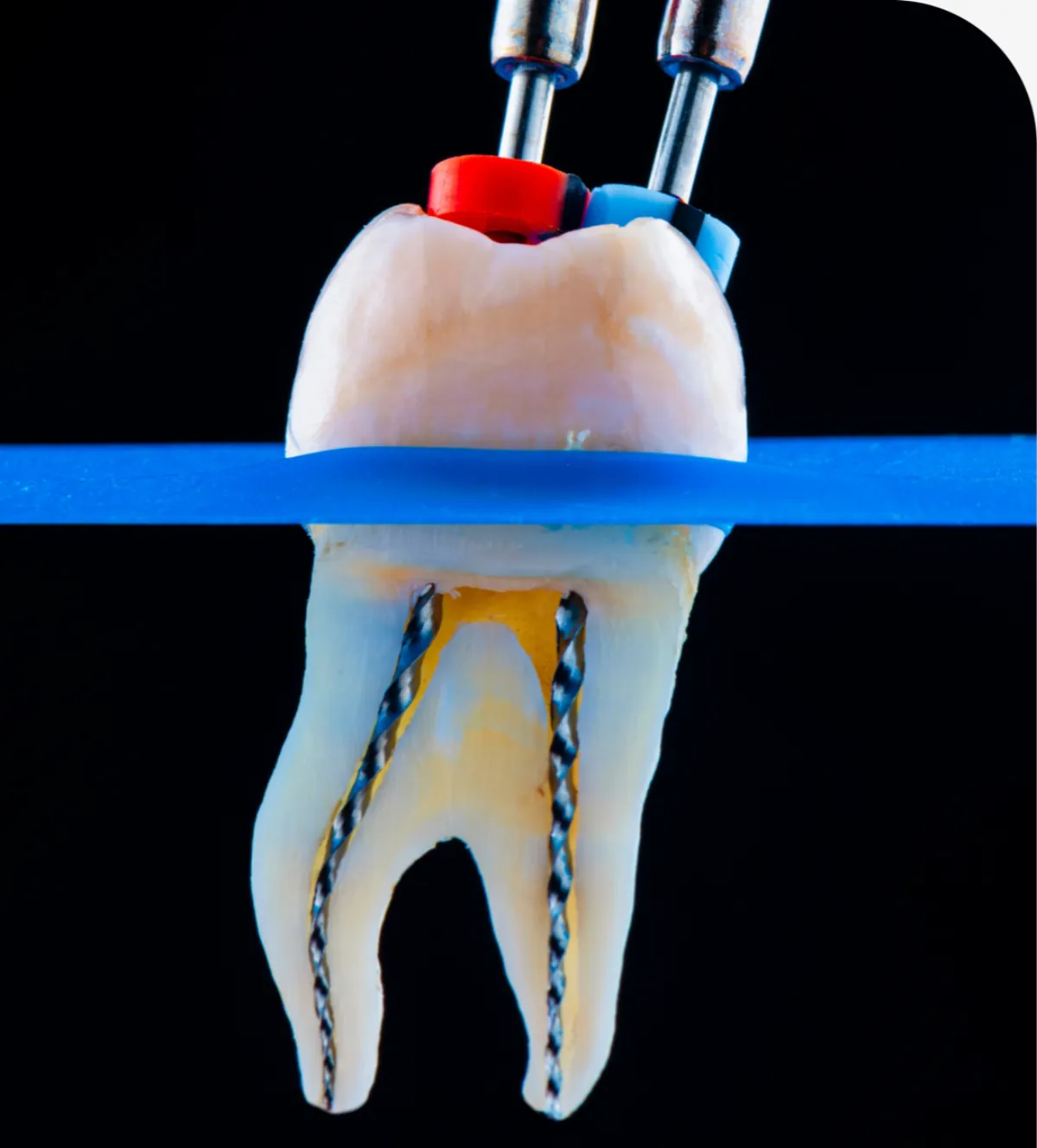
- Root canal therapy removes infected pulp, relieves pain, and saves the natural tooth.
- Dental bridges replace one or more missing teeth by anchoring to neighboring teeth.
- Dental implants replace tooth roots with titanium posts and top them with lifelike crowns.
- Partial and full dentures restore multiple or all missing teeth for improved speech and chewing.
Benefits of Restorative Dentistry
- Relieves pain and sensitivity from cavities, cracks, or infection.
- Protects at-risk teeth to prevent fractures and future dental emergencies.
- Restores efficient chewing so you can enjoy a varied, nutritious diet.
- Prevents tooth shifting and bite problems after tooth loss.
- Improves clarity of speech and overall comfort.
- Uses durable, natural-looking materials for lasting function and aesthetics.
How Restorative Dentistry Works
Each treatment plan begins with a comprehensive exam, including X-rays and bite analysis. Your dentist will explain findings, recommend options, and discuss timelines and costs before any work begins. Treatment is delivered with careful numbing, precise techniques, and attention to bite comfort. Follow-up visits confirm fit and function, and maintenance guidance helps extend the life of every restoration.
Modern materials—including composite resins, ceramics, and titanium—are selected for strength, biocompatibility, and natural appearance. Whether you need a single filling or a multi-step implant case, restorative dentistry in Twin Falls, ID, is personalized to your unique needs.
Ready to Restore Your Smile?
For questions about restorative dentistry in Twin Falls, ID, contact New Horizon Dental at 208-733-0494 to schedule a consultation with Dr. Daniel E. Wood.
Frequently Asked Questions About Restorative Dentistry
A filling repairs a small cavity within the tooth. An inlay replaces a larger area within the chewing surface. An onlay covers one or more cusps for added strength when damage is more extensive.
With good hygiene and regular checkups, crowns and bridges often last 10–15 years or longer. Implants can last decades; the crown on top may need periodic replacement due to normal wear.
Local anesthesia keeps procedures comfortable. You may feel pressure or vibration but not sharp pain. Mild soreness after treatment usually improves within a few days.
Both restore missing teeth. A bridge is faster and does not require surgery, but it relies on neighboring teeth. An implant preserves bone and treats a space without affecting adjacent teeth.
The tooth is numbed, a small opening is made, infected tissue is removed, the canal is disinfected and sealed, and a crown is placed to protect the restored tooth.
A crown is recommended when a tooth is cracked, has a very large cavity, or has had a root canal. It provides full coverage to resist fracture during chewing.