

Take-Home Teeth Whitening in Twin Falls, ID
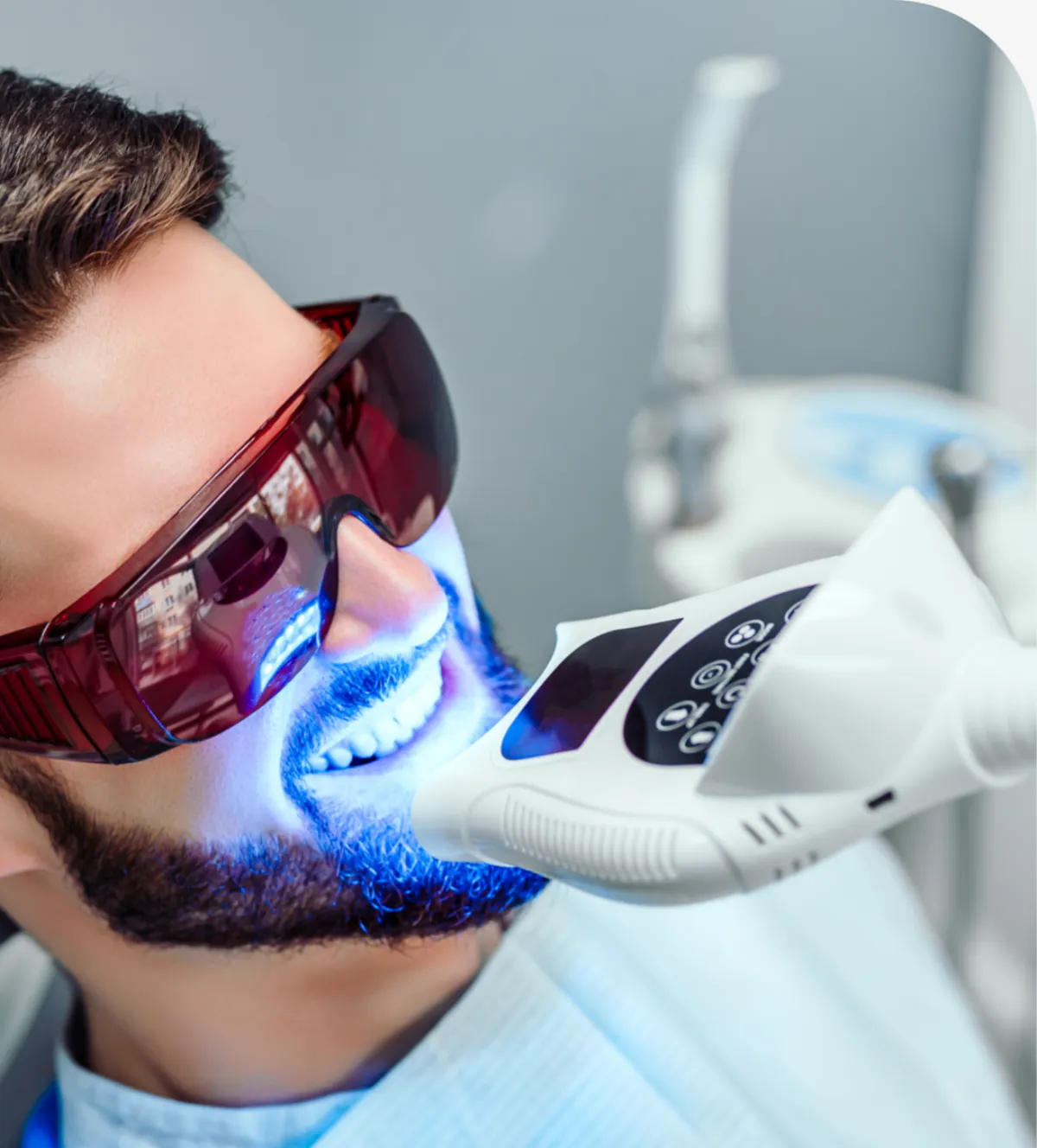
Take-home teeth whitening in Twin Falls, ID, offers a simple, guided way to brighten your smile from home. Custom-fitted trays and professional whitening gel help lift stains from coffee, tea, wine, and aging while protecting your enamel. Patients can control the pace of whitening and maintain results over time with easy touch-ups.
Take-Home Teeth Whitening Explained
Take-home teeth whitening uses clear, custom trays that hold dentist-dispensed bleaching gel against your teeth. The gel penetrates enamel to break up stain molecules, revealing a lighter tooth shade. Because trays are made from impressions of your teeth, the gel stays where it should and off your gums. Many patients ask, "What is take-home teeth whitening, and how does it differ from store kits?" The key differences are custom fit, professional-strength gel, and tailored instructions that support safer, more even results.
Benefits of Take-Home Whitening
- Predictable color change with a shade goal discussed in advance.
- Even coverage because custom trays hug every curve of your teeth.
- Lower risk of irritation with gel strength matched to your needs.
- Convenient wear time that fits your schedule, often evenings or overnight.
- Easy maintenance since saved trays can be used for future touch-ups.
- Educational guidance on sensitivity, safety, and realistic outcomes.
How Take-Home Whitening Works
- Initial evaluation: Teeth and gums are checked, and a baseline shade is recorded. Existing fillings, crowns, or veneers are noted.
- Impressions and trays: Precise molds are used to create snug, clear trays for upper and lower teeth.
- Gel selection: Professional gel concentration and wear time are chosen to balance speed and comfort.
- At-home use: A small bead of gel is placed in each tooth well. Trays are worn as directed, typically 30–60 minutes daily or overnight.
- Follow-up and shade check: Progress is reviewed, and adjustments are made to schedule or gel if needed.
Your Whitening Experience
Most people notice a change within a few sessions, with typical plans running 10–14 days. Teeth often continue to lighten for 24–48 hours after the final session. Mild, temporary sensitivity is common and usually improves with a break day, use of a desensitizing toothpaste, or shorter wear times. Avoid dark foods and drinks during active whitening and for 48 hours after, as enamel is more receptive to pigments.
Important: Whitening changes natural tooth color but does not lighten crowns, veneers, or tooth-colored fillings. If these show in your smile, a plan can be made to replace them after whitening to match your new shade.
- Clean teeth before each session for even contact between gel and enamel.
- Wipe away excess gel from gums to reduce irritation.
- Store gel in a cool place and keep trays clean and dry between uses.
- Plan occasional touch-ups, especially if you enjoy coffee, tea, or red wine.

Schedule Your Whitening Consultation
Have questions about take-home teeth whitening in Twin Falls, ID? Contact New Horizon Dental at 208-733-0494 to schedule a whitening consultation with our dentist, Dr. Daniel E. Wood.
Frequently Asked Questions About Take-Home Teeth Whitening
Custom trays provide a precise fit, which helps deliver gel evenly and away from your gums. Professional gels come in calibrated strengths, and instructions are tailored. This often means faster, more uniform results with fewer side effects than over-the-counter strips or boil-and-bite trays.
When used as directed, dentist-supervised whitening is considered safe. Enamel is not thinned or damaged. Temporary sensitivity can occur and is managed by adjusting wear time, using a lower gel strength, or adding a desensitizing product. Gum irritation is minimized with a custom fit and careful gel placement.
Results can last 6–24 months depending on your diet and habits. Dark beverages, tobacco, and certain medications can restain teeth faster. Many patients plan brief touch-ups a few times a year using saved trays to keep their preferred shade.
Sensitivity after whitening is common but temporary. Shorten sessions, take break days, and switch to a desensitizing toothpaste containing potassium nitrate. A lower-concentration gel can also help. If sensitivity persists, pause treatment and check in for guidance.
No. Whitening gels only lighten natural enamel. If a mismatch appears after whitening, replacement of visible restorations can be planned to match the new shade.
Everyone whitens at a different rate based on stain type and enamel. Many aim for a natural, bright shade that matches the whites of the eyes. A shade guide helps set expectations and track progress without over-whitening.