

Tooth Extractions in Twin Falls, ID
New Horizon Dental provides guidance for patients considering tooth extractions in Twin Falls, ID. Whether a tooth is decayed, fractured, or impacted, understanding the steps and expectations can make the experience more comfortable and predictable.
Tooth Extractions Explained
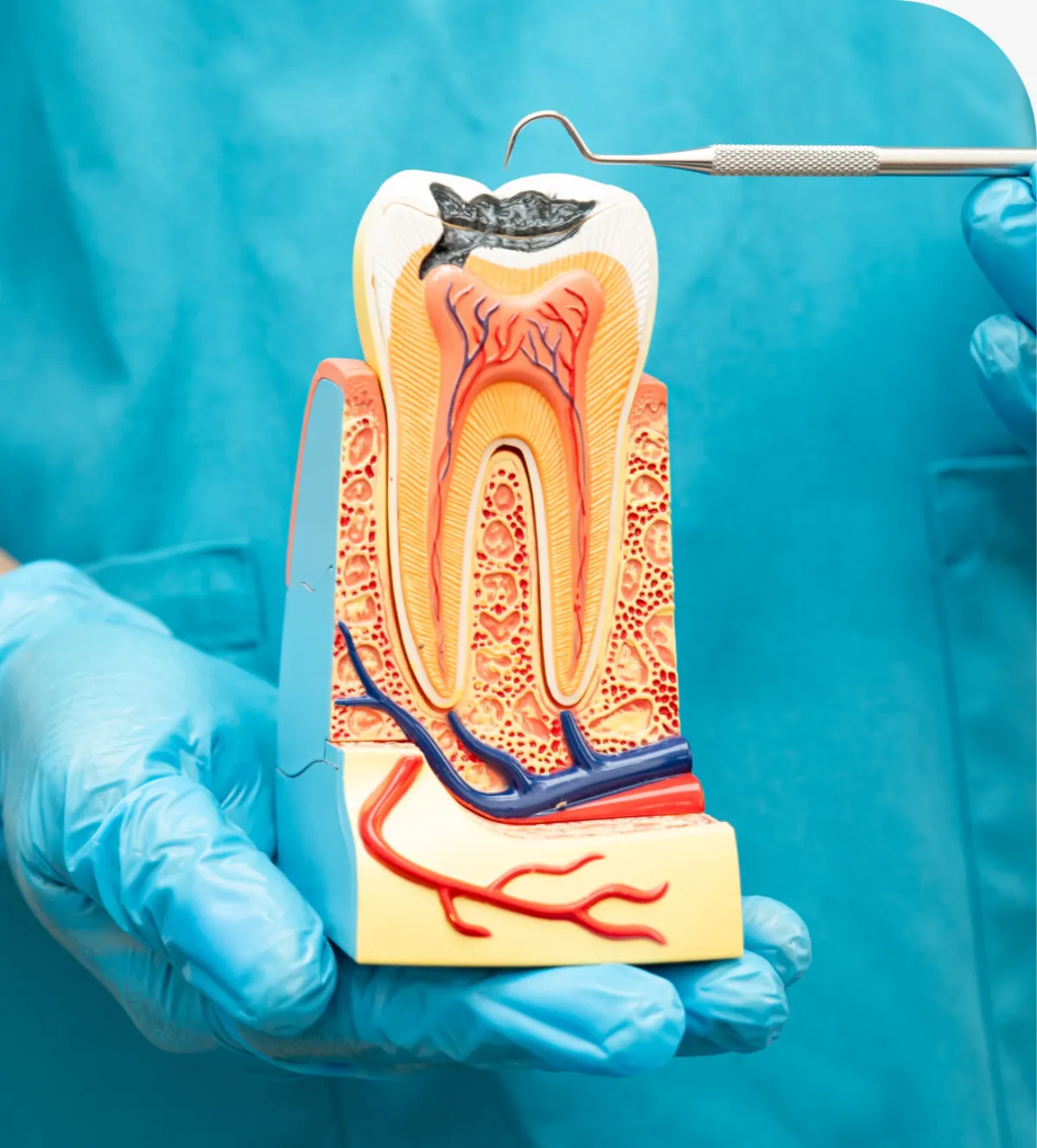
A tooth extraction is the removal of a tooth from the socket in the jawbone. Dentists recommend removal when a tooth cannot be predictably restored or when keeping it could harm oral health. Common reasons include deep decay, severe fracture, advanced gum disease, failed root canal, orthodontic crowding, and impacted wisdom teeth. An exam and dental X-rays help assess the root shape, bone levels, and nearby structures like sinuses or nerves.
When appropriate, saving the tooth with a filling, crown, root canal, or periodontal therapy is considered first. If extraction is the safest choice, our dentist will determine whether a simple extraction (for visible, mobile teeth) or a surgical extraction (for impacted, brittle, or broken teeth) is needed.
Benefits of Tooth Removal
Removing a compromised tooth can protect overall oral health and comfort. Benefits may include:
- Relief from persistent toothache and infection-related discomfort.
- Prevention of infection spread to neighboring teeth, bone, or the bloodstream.
- Protection of adjacent teeth from fractures caused by pressure or crowding.
- Support for orthodontic treatment when space is needed for alignment.
- Improved gum health when a tooth is too loose or infected to save.
- Preparation for a future replacement such as a bridge, implant, or denture.
How Tooth Extractions Work
The approach depends on whether the procedure is simple or surgical. Most extractions use local anesthesia to numb the tooth and surrounding tissues. Additional options, such as nitrous oxide or oral sedation, may be used based on your medical history and the complexity of care.
- Simple extraction: The tooth is loosened with specialized instruments and removed in one piece. This is typical for visible teeth with intact roots.
- Surgical extraction: A small incision may be needed to access an impacted or broken tooth. Bone may be gently reshaped, and the tooth may be sectioned for easier removal.
After removal, a gauze pad is placed to control bleeding and encourage clot formation. Post-op instructions cover pain management, diet, activity, and signs to watch for during healing.
Schedule a Consultation
Have questions about tooth extractions in Twin Falls, ID? Contact New Horizon Dental at 208-733-0494 to schedule a visit with our dentist, Dr. Daniel E. Wood.
Frequently Asked Questions About Tooth Extractions
Local anesthesia numbs the area so you should not feel sharp pain during the procedure. You may feel pressure. Soreness afterward is common and manageable with recommended pain relief and cold compresses.
Gum tissue typically closes over in one to two weeks. Bone remodeling continues for several months. Most people feel comfortable returning to work or school within one to two days for simple cases.
A dry socket occurs when the blood clot is lost, exposing bone and nerves. It can cause throbbing pain. Avoid smoking, using straws, and vigorous rinsing for the first few days to help prevent it.
Extraction may be recommended for teeth with severe fractures below the gum line, non-restorable decay, vertical root fractures, or repeated infections that have a poor long-term outlook.
Choose soft foods like yogurt, applesauce, mashed potatoes, eggs, and soup once it is not hot. Avoid crunchy, spicy, or seedy foods that could irritate the site for several days.
Replacing a missing tooth helps maintain chewing function and prevents shifting of adjacent teeth. Options include implants, bridges, or partial dentures based on your goals and oral health.